Custom Ultrasonic Horn and Sonotrode Tooling
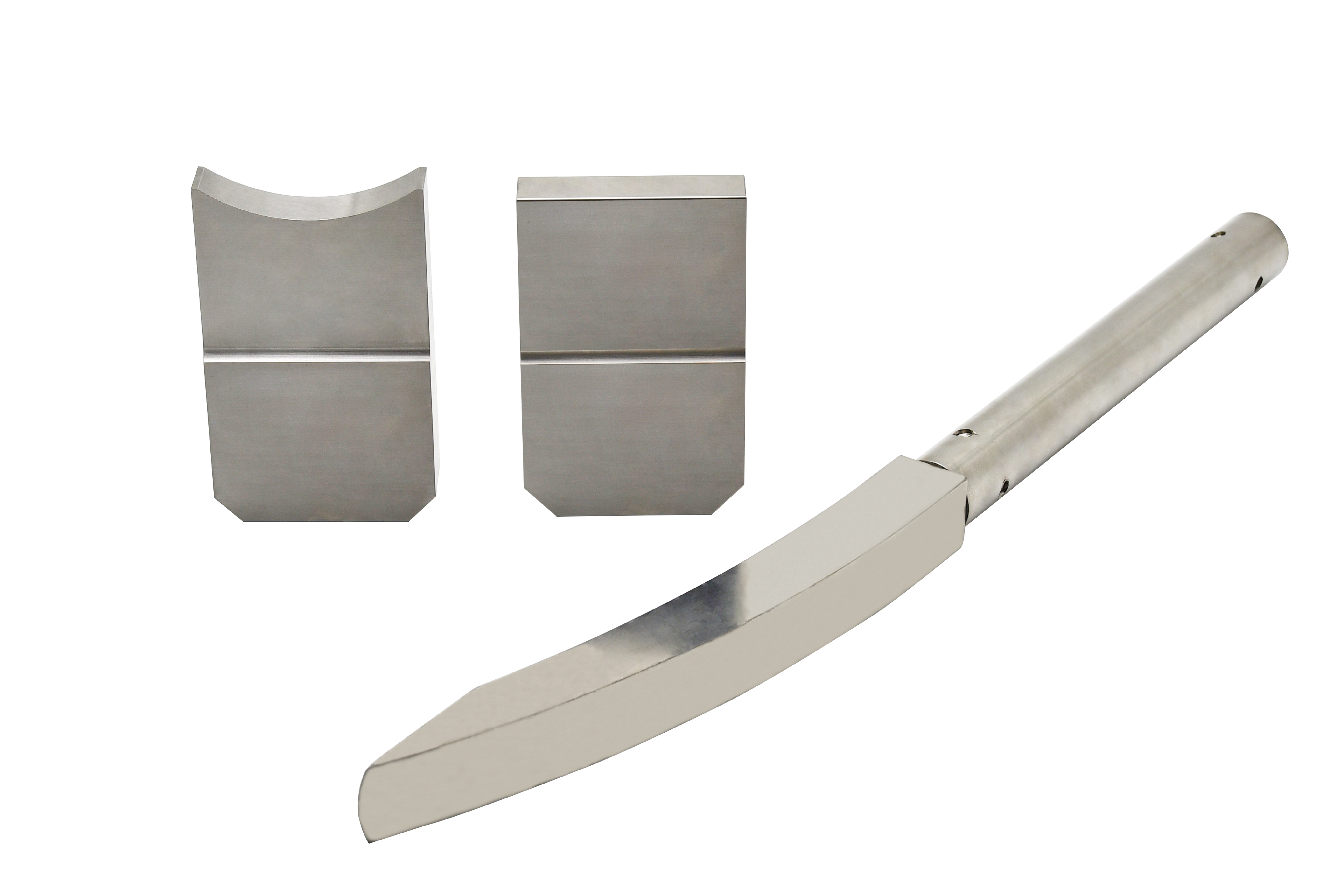
An ultrasonic horn, also known as an ultrasonic welding horn or sonotrode, is the working tool that transfers high-frequency mechanical vibration from the ultrasonic transducer and booster to the workpiece.
The horn geometry, material, resonant frequency, amplitude ratio, and working surface must be matched to the ultrasonic system and the specific processing application.
We provide custom ultrasonic horns for welding, cutting, sealing, staking, inserting, and other industrial ultrasonic processes. Horns can be manufactured according to product drawings, workpiece samples, existing horn dimensions, or complete ultrasonic system parameters.
How Does an Ultrasonic Horn Work?
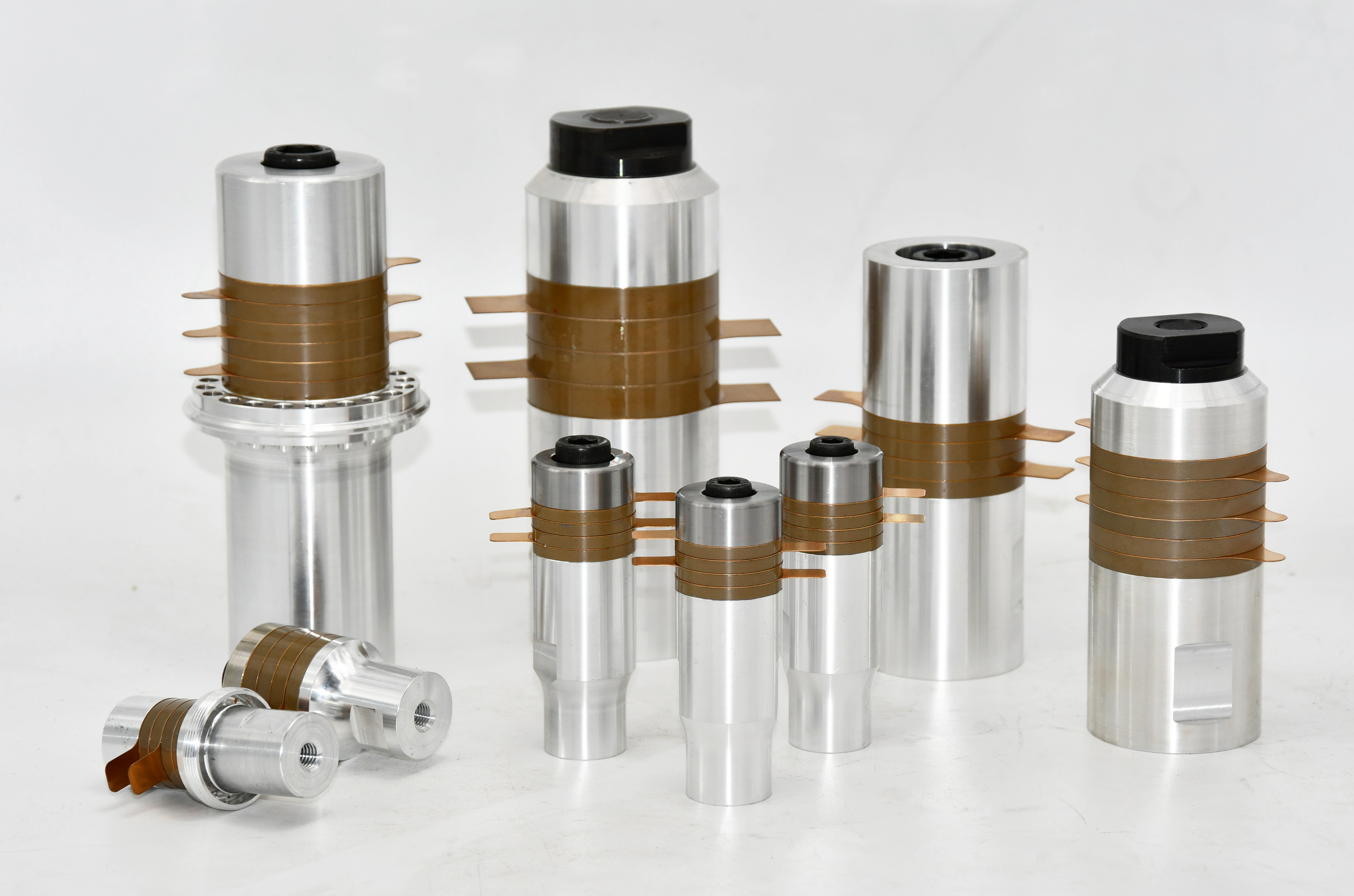
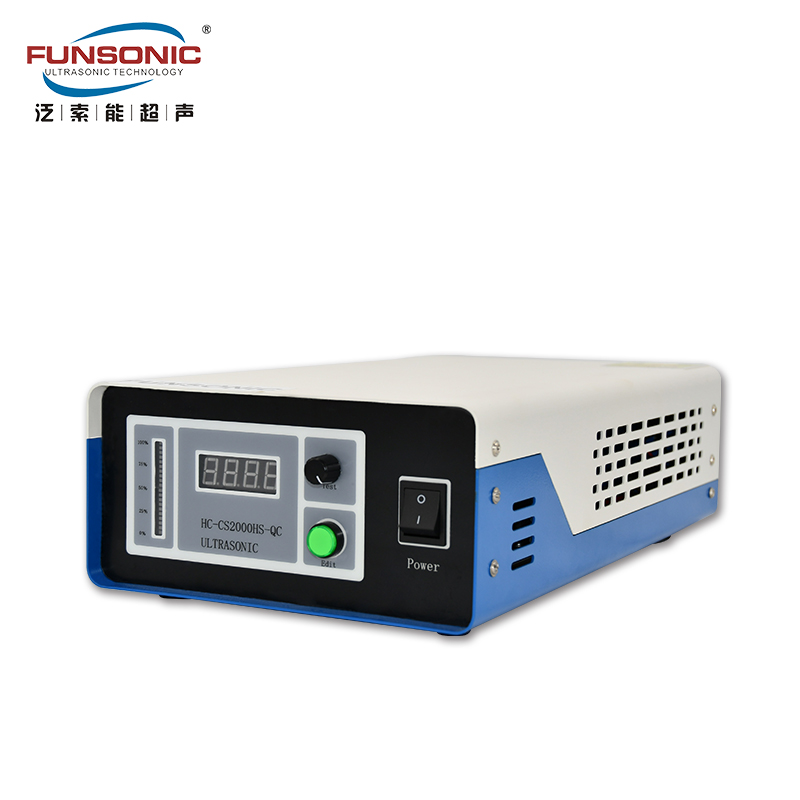
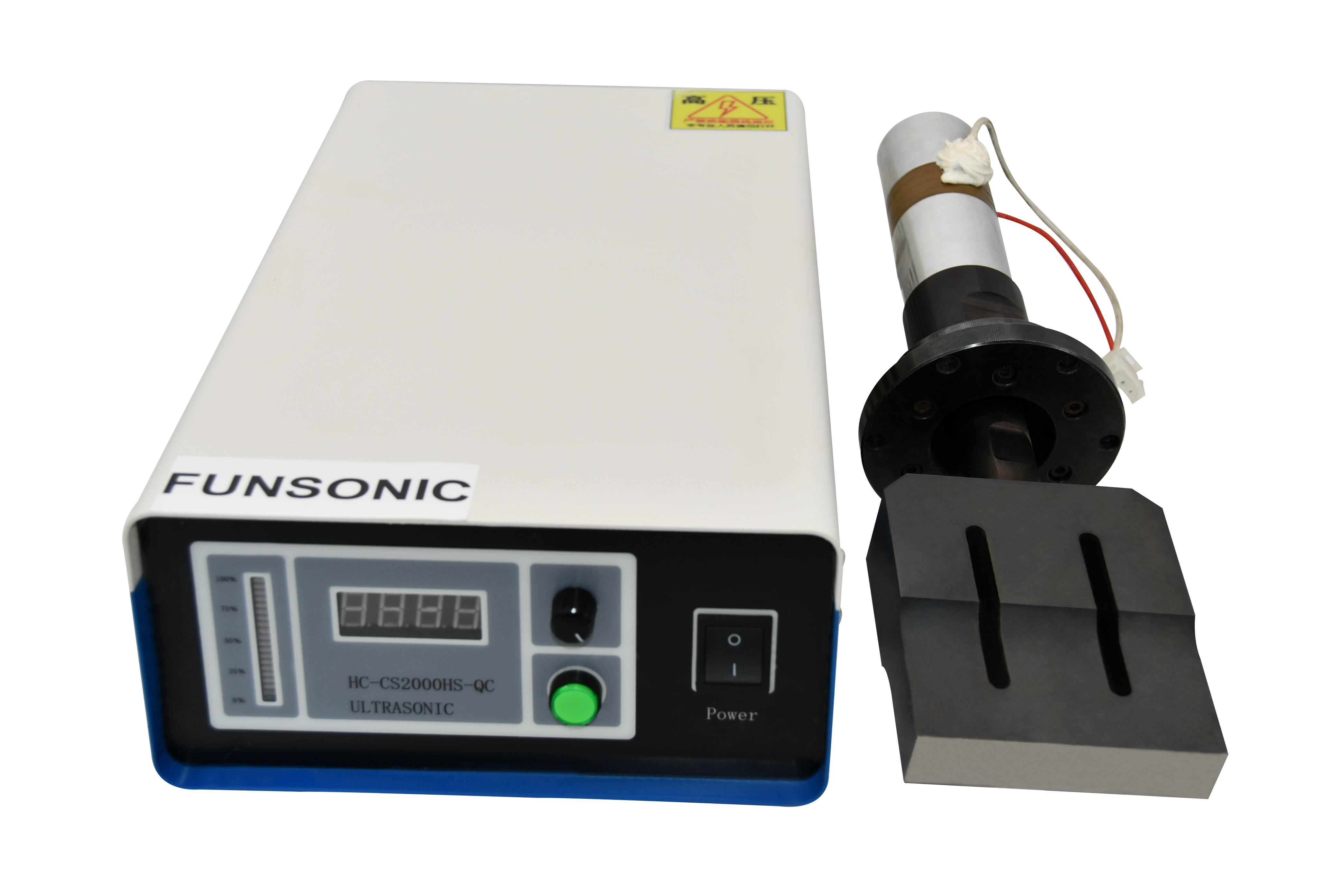
The ultrasonic generator produces high-frequency electrical energy, which is converted into mechanical vibration by the ultrasonic transducer.
The booster transfers and may modify the vibration amplitude before the energy reaches the ultrasonic horn. The horn then directs the vibration to the required area of the workpiece.
For efficient operation, the horn must resonate at the same operating frequency as the ultrasonic system. Its dimensions, shape, material, connection, and working surface therefore require careful matching to the transducer, booster, workpiece, and processing conditions.
Custom Horn Design for Different Workpieces
Ultrasonic horns are not universal tooling. A horn designed for one product may not provide stable performance when used with another product that has a different shape, material, welding area, or energy requirement.
The horn working face can be designed to match flat, curved, circular, narrow, recessed, or multi-point product surfaces. Custom horn design helps distribute ultrasonic energy more effectively across the processing area and improves contact with the workpiece.
For replacement projects, customers may provide an existing horn sample, dimensional drawing, connection specifications, ultrasonic frequency, and application information.
Ultrasonic Horn Materials
Material selection affects ultrasonic transmission, fatigue resistance, wear resistance, manufacturing cost, and service life.
Titanium alloy is commonly selected for demanding applications because of its acoustic properties, fatigue resistance, and durability.
Aluminum alloy provides good ultrasonic transmission and is suitable for many larger or cost-sensitive horn designs. Depending on the application, the working surface may require additional treatment to improve wear resistance.
Hardened steel may be used for smaller working areas or applications requiring higher surface wear resistance. Because steel has different acoustic and fatigue characteristics, it must be selected according to the horn geometry and operating conditions.
Ultrasonic Horn Frequency Options
Ultrasonic horns must be designed and tuned for the operating frequency of the ultrasonic system.
Common industrial frequencies include 15kHz, 20kHz, 30kHz, 35kHz, and 40kHz. Lower-frequency systems are often selected for applications requiring higher mechanical output or larger tooling, while higher-frequency systems may be used for smaller and more delicate components.
Frequency selection should be based on the complete ultrasonic system, workpiece design, processing area, and required amplitude.
Ultrasonic Horn Applications
Custom ultrasonic horns are used in a wide range of manufacturing processes, including plastic welding, nonwoven fabric bonding, packaging sealing, ultrasonic cutting, plastic staking, threaded insert embedding, spot welding, and automated component assembly.
Typical industries include automotive manufacturing, electronics, medical devices, household appliances, packaging, textiles, filtration products, batteries, and industrial automation.
Information Required for Custom Ultrasonic Horns
To evaluate and design a custom ultrasonic horn, please provide as much of the following information as possible:
1. Ultrasonic operating frequency
2. Generator power and model
3. Transducer and booster model
4. Connection thread and mounting dimensions
5. Workpiece material and dimensions
6. Product drawing or 3D model
7. Required processing method
8. Welding, cutting, or contact area
9. Existing horn drawing or sample, if available
10. Current processing problem or expected result
Our technical team will evaluate the information and recommend a suitable horn material, structure, working surface, and connection design.
Why Choose a Custom Ultrasonic Horn?
A properly matched ultrasonic horn helps transmit vibration energy efficiently and maintain stable contact with the workpiece.
Compared with using generic or unmatched tooling, a custom horn can provide better contact with complex product surfaces, more consistent energy distribution, improved process stability, and easier integration with existing ultrasonic equipment.
The final performance depends not only on the horn itself, but also on the generator, transducer, booster, fixture, workpiece design, pressure, amplitude, and process settings.