Ultrasonic Welding Machine for Reliable Plastic Joining
An ultrasonic welding machine is an efficient industrial solution for joining thermoplastic components without adhesives, screws or additional consumables. It uses high-frequency mechanical vibration and controlled pressure to generate localized heat at the joint interface, allowing compatible plastic parts to fuse within a short welding cycle.
FUNSONIC ultrasonic welding machines can be configured according to the plastic material, component dimensions, joint design, production capacity and required welding strength. Different frequencies, output powers, welding presses, horns, fixtures and control systems are available for standalone operation or automated production line integration.
How Ultrasonic Plastic Welding Works
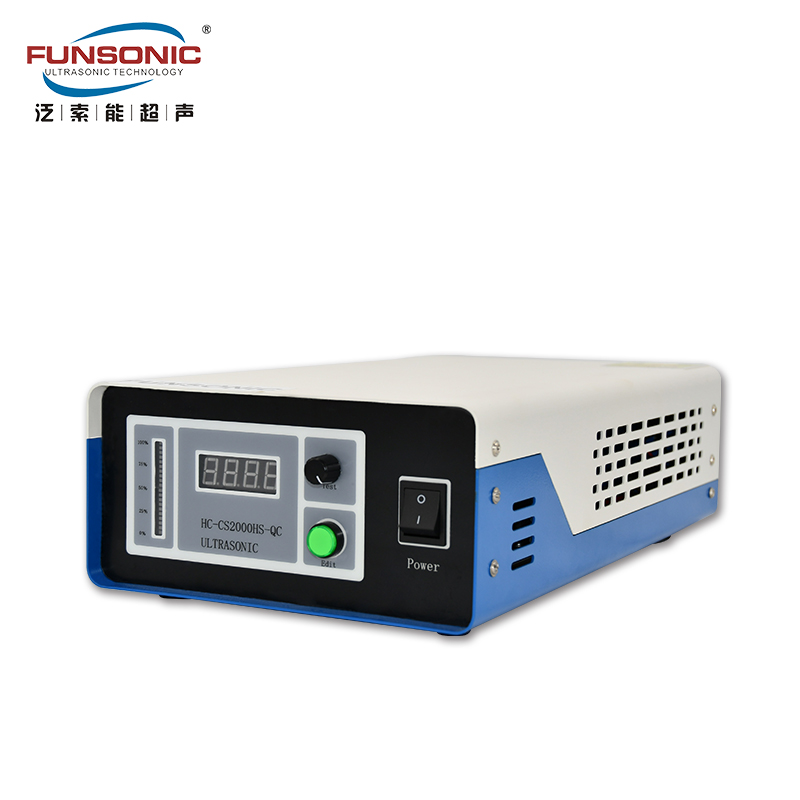
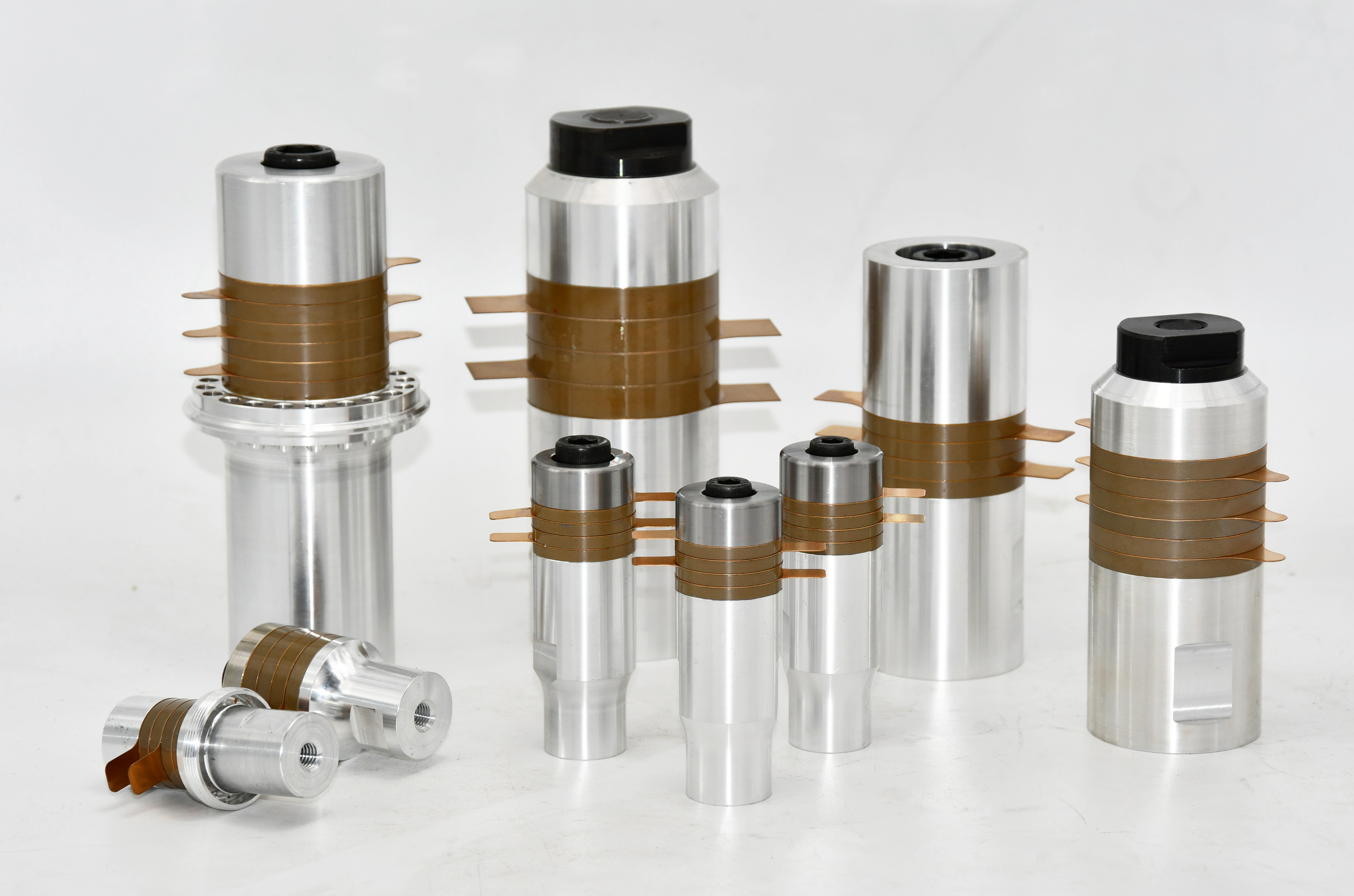
A complete ultrasonic welding system typically consists of a digital ultrasonic generator, transducer, booster, welding horn, welding press, product fixture and control unit.
The generator converts electrical power into high-frequency electrical energy. The transducer then converts this energy into mechanical vibration, which is transmitted through the booster and welding horn to the plastic components.
During the welding process, the horn presses the parts together while applying ultrasonic vibration to the joint area. The resulting intermolecular friction produces localized heat, causing the thermoplastic material at the interface to soften and melt. After the ultrasonic vibration stops, holding pressure is maintained briefly so that the joint can cool and solidify.
This process produces a fast, clean and repeatable plastic joint without introducing glue, solvents or external heating elements.
## Configured Around Your Component
Ultrasonic welding performance depends on more than the machine itself. Plastic compatibility, joint structure, horn design, fixture support, amplitude, pressure, welding time and holding time can all affect the final result.
For this reason, FUNSONIC evaluates each application according to the actual component and production requirements. Customers are encouraged to provide:
- Plastic material information
- Product dimensions
- 2D or 3D component drawings
- Welding position and joint design
- Required welding strength or sealing performance
- Target production capacity
- Sample parts for welding trials
- Photos or videos of the current assembly process
Based on this information, we can recommend the appropriate welding frequency, output power, press structure, welding horn, fixture and control method.
Custom Welding Horns and Fixtures
The welding horn is responsible for transmitting ultrasonic energy into the component. Its shape, material and vibration characteristics must be matched to the part geometry and welding position.
Custom welding horns can be manufactured from titanium alloy, aluminum alloy or tool steel, depending on the application, horn dimensions, operating frequency and expected service life.
A dedicated fixture supports and positions the lower component during welding. Proper fixture design helps improve alignment, reduce unwanted vibration and protect the product surface. Both the horn and fixture should be tested and tuned as part of the complete welding system.
Flexible Equipment Configurations
The ultrasonic welding machine can be supplied as a compact benchtop unit, an industrial standalone workstation or a customized system for automated production.
Available configurations may include:
- Pneumatic or servo-controlled welding press
- Digital ultrasonic generator
- Time, energy or depth-based welding control
- Automatic frequency tracking
- Adjustable amplitude and welding pressure
- Welding energy and displacement monitoring
- Touchscreen operator interface
- Custom welding horn and product fixture
- Safety enclosure or soundproof enclosure
- Rotary indexing table
- Automated loading and unloading
- PLC, robot and production line integration
The final configuration is selected according to the component structure, required process control, cycle time and factory environment.
Industrial Applications
Ultrasonic welding machines are commonly used in the automotive, medical, electronics, household appliance, packaging, filtration, textile and consumer product industries.
Typical applications include plastic housing assembly, electronic component joining, filter welding, medical consumable sealing, automotive interior part assembly, battery component welding, nonwoven material joining, plastic staking, riveting, spot welding and component embedding.
Ultrasonic welding is especially suitable for applications that require short cycle times, clean processing, repeatable weld quality and reduced use of consumable joining materials.
Sample Testing Is Recommended
Not all plastic combinations or component structures are equally suitable for ultrasonic welding. Material additives, wall thickness, product geometry, joint distance and energy-director design may influence weldability.
Sample welding tests are therefore recommended before confirming the final machine and tooling configuration. Testing helps evaluate material compatibility, joint strength, surface appearance, sealing performance and suitable welding parameters.
Send us your component drawings, material information, welding requirements and available samples. Our engineers will evaluate the application and recommend an appropriate ultrasonic welding machine, horn and fixture.
Ultrasonic Welding Machine for Reliable Plastic Joining
An ultrasonic welding machine is an efficient industrial solution for joining thermoplastic components without adhesives, screws or additional consumables. It uses high-frequency mechanical vibration and controlled pressure to generate localized heat at the joint interface, allowing compatible plastic parts to fuse within a short welding cycle.
FUNSONIC ultrasonic welding machines can be configured according to the plastic material, component dimensions, joint design, production capacity and required welding strength. Different frequencies, output powers, welding presses, horns, fixtures and control systems are available for standalone operation or automated production line integration.
How Ultrasonic Plastic Welding Works
A complete ultrasonic welding system typically consists of a digital ultrasonic generator, transducer, booster, welding horn, welding press, product fixture and control unit.
The generator converts electrical power into high-frequency electrical energy. The transducer then converts this energy into mechanical vibration, which is transmitted through the booster and welding horn to the plastic components.
During the welding process, the horn presses the parts together while applying ultrasonic vibration to the joint area. The resulting intermolecular friction produces localized heat, causing the thermoplastic material at the interface to soften and melt. After the ultrasonic vibration stops, holding pressure is maintained briefly so that the joint can cool and solidify.
This process produces a fast, clean and repeatable plastic joint without introducing glue, solvents or external heating elements.
Configured Around Your Component
Ultrasonic welding performance depends on more than the machine itself. Plastic compatibility, joint structure, horn design, fixture support, amplitude, pressure, welding time and holding time can all affect the final result.
For this reason, FUNSONIC evaluates each application according to the actual component and production requirements. Customers are encouraged to provide:
- Plastic material information - Product dimensions - 2D or 3D component drawings - Welding position and joint design - Required welding strength or sealing performance - Target production capacity - Sample parts for welding trials - Photos or videos of the current assembly process
Based on this information, we can recommend the appropriate welding frequency, output power, press structure, welding horn, fixture and control method.
Custom Welding Horns and Fixtures
The welding horn is responsible for transmitting ultrasonic energy into the component. Its shape, material and vibration characteristics must be matched to the part geometry and welding position.
Custom welding horns can be manufactured from titanium alloy, aluminum alloy or tool steel, depending on the application, horn dimensions, operating frequency and expected service life.
A dedicated fixture supports and positions the lower component during welding. Proper fixture design helps improve alignment, reduce unwanted vibration and protect the product surface. Both the horn and fixture should be tested and tuned as part of the complete welding system.
Flexible Equipment Configurations
The ultrasonic welding machine can be supplied as a compact benchtop unit, an industrial standalone workstation or a customized system for automated production.
Available configurations may include:
- Pneumatic or servo-controlled welding press - Digital ultrasonic generator - Time, energy or depth-based welding control - Automatic frequency tracking - Adjustable amplitude and welding pressure - Welding energy and displacement monitoring - Touchscreen operator interface - Custom welding horn and product fixture - Safety enclosure or soundproof enclosure - Rotary indexing table - Automated loading and unloading - PLC, robot and production line integration
The final configuration is selected according to the component structure, required process control, cycle time and factory environment.
Industrial Applications
Ultrasonic welding machines are commonly used in the automotive, medical, electronics, household appliance, packaging, filtration, textile and consumer product industries.
Typical applications include plastic housing assembly, electronic component joining, filter welding, medical consumable sealing, automotive interior part assembly, battery component welding, nonwoven material joining, plastic staking, riveting, spot welding and component embedding.
Ultrasonic welding is especially suitable for applications that require short cycle times, clean processing, repeatable weld quality and reduced use of consumable joining materials.
Sample Testing Is Recommended
Not all plastic combinations or component structures are equally suitable for ultrasonic welding. Material additives, wall thickness, product geometry, joint distance and energy-director design may influence weldability.
Sample welding tests are therefore recommended before confirming the final machine and tooling configuration. Testing helps evaluate material compatibility, joint strength, surface appearance, sealing performance and suitable welding parameters.
Send us your component drawings, material information, welding requirements and available samples. Our engineers will evaluate the application and recommend an appropriate ultrasonic welding machine, horn and fixture.