Ultrasonic Cutting System

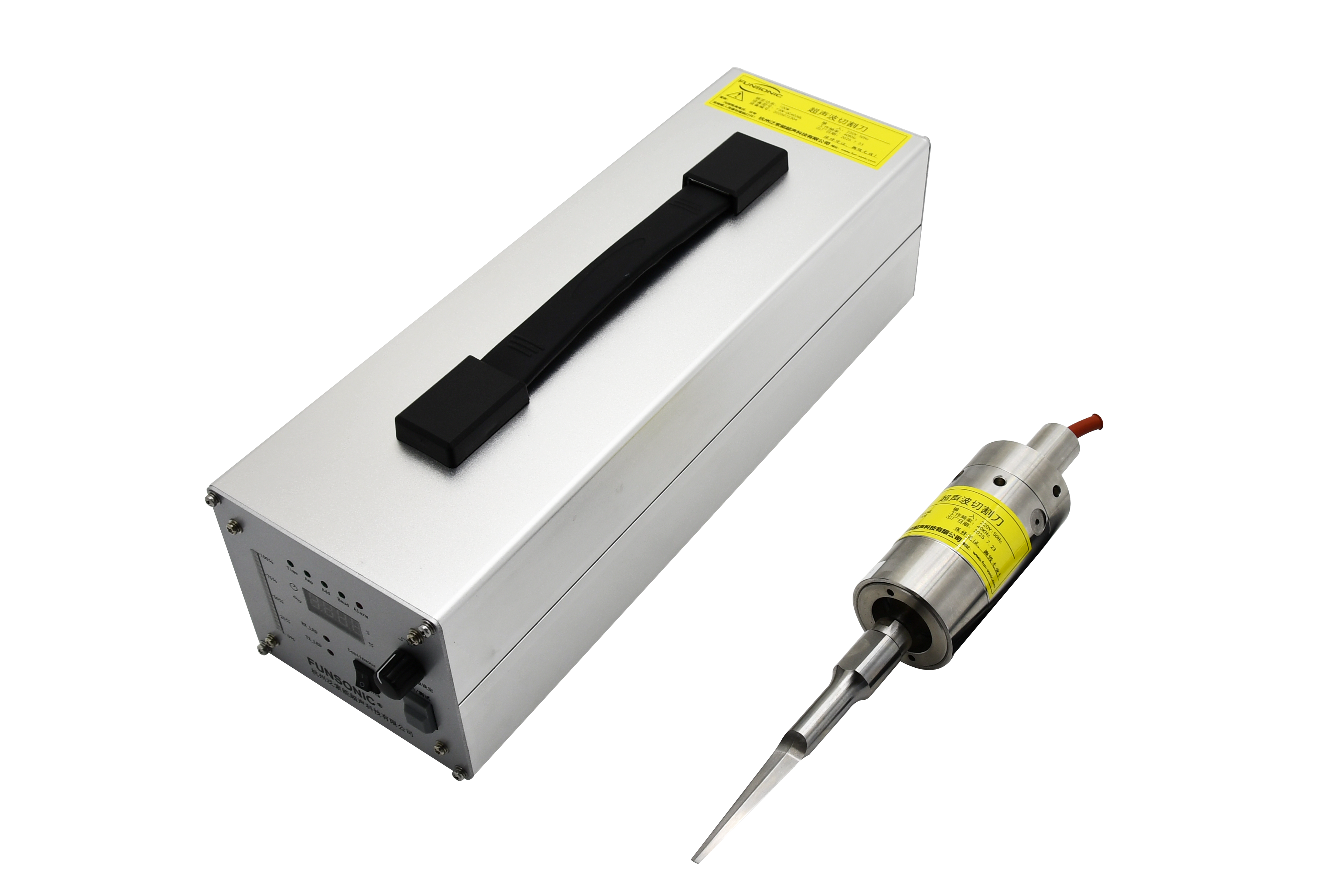
Ultrasonic Cutting Machine丨Ultrasonic Blade Cutting Machine

High-precision ultrasonic cutting machine using high-frequency vibration technology for clean, fast, and low-force cutting of plastics, textiles, rubber, composites, and other industrial materials.

Request Quote
Ultrasonic Cutting Machine丨Ultrasonic Blade Cutting Machine

Product Gallery

Product Diagram

Ultrasonic Cutting Machine丨Ultrasonic Blade Cutting Machine diagram

Application Images

ultrasonic-cutting-machine-beeswax-cutting
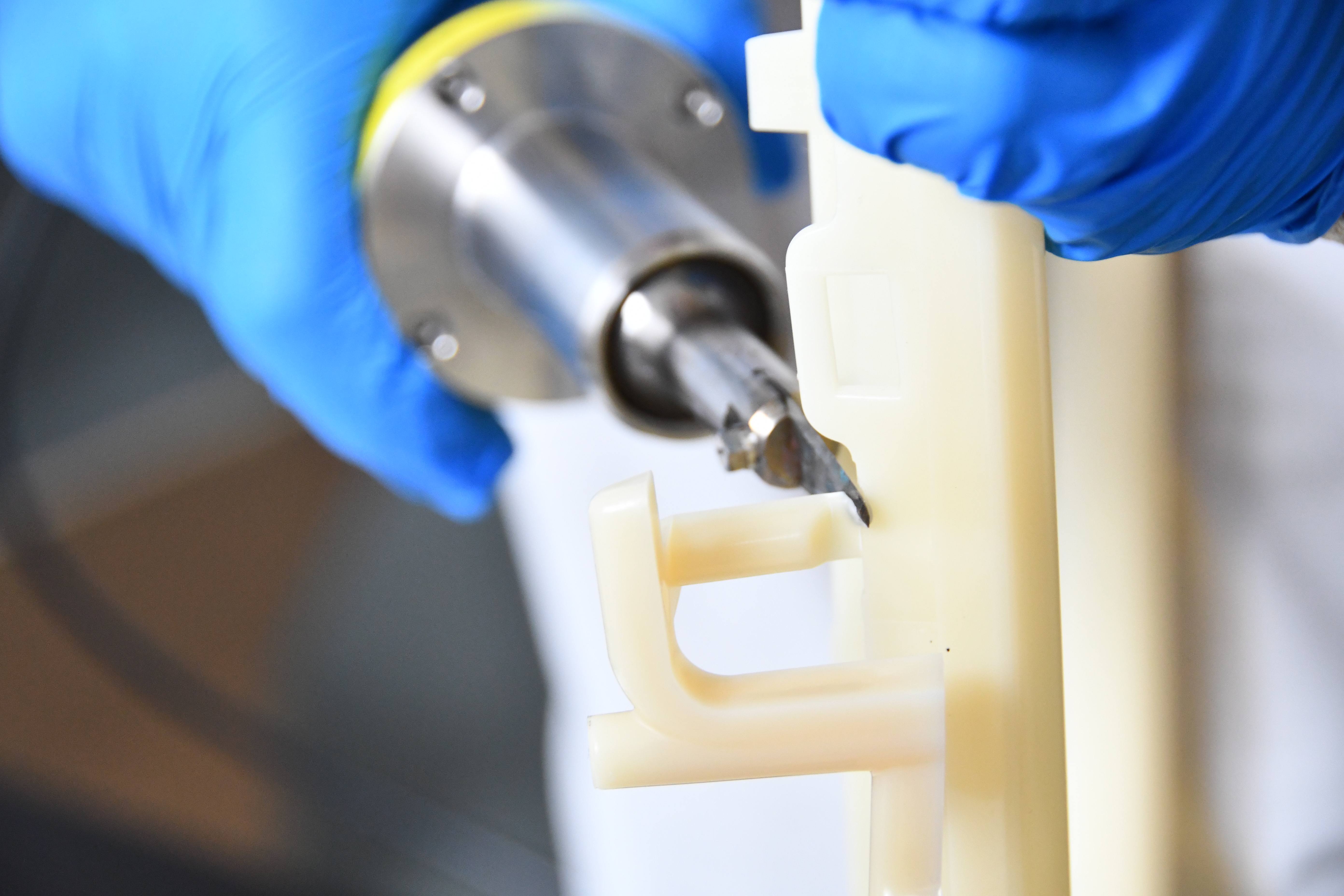
ultrasonic-plastic-cutting-machine-for-car-parts

Product Overview

Ultrasonic Cutting Machine for Precision Industrial Processing

Ultrasonic cutting machines use high-frequency vibration technology to reduce cutting resistance and achieve precise material separation with minimal force.

Unlike conventional blades that rely on mechanical pressure, ultrasonic cutting systems generate microscopic vibrations at the cutting edge, allowing smoother cutting performance and reducing material deformation.

This technology is widely used in industries requiring clean edges, accurate dimensions, and reliable production consistency.

How Does an Ultrasonic Cutting Machine Work?

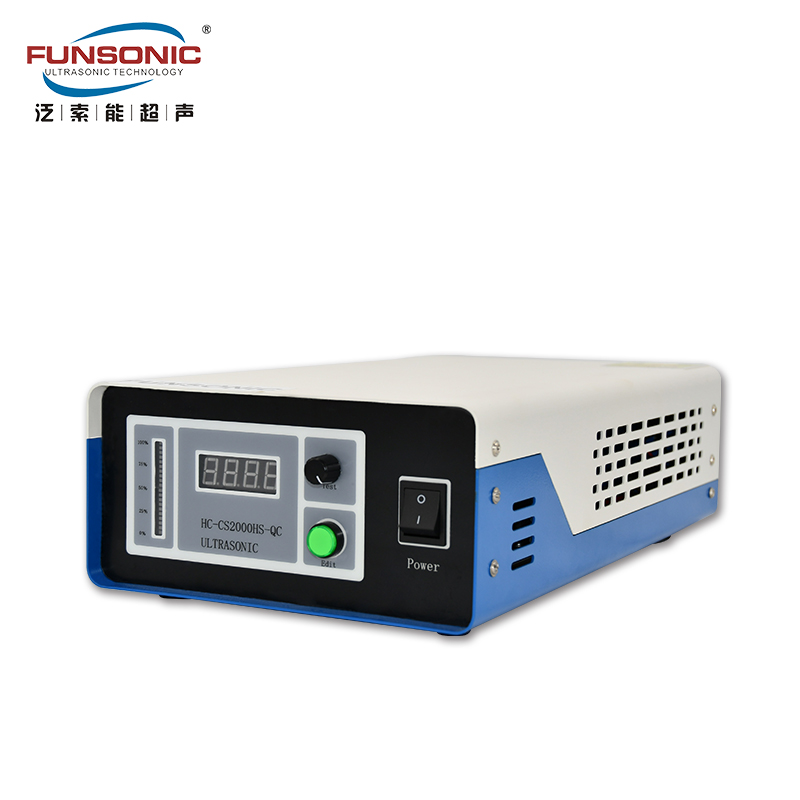
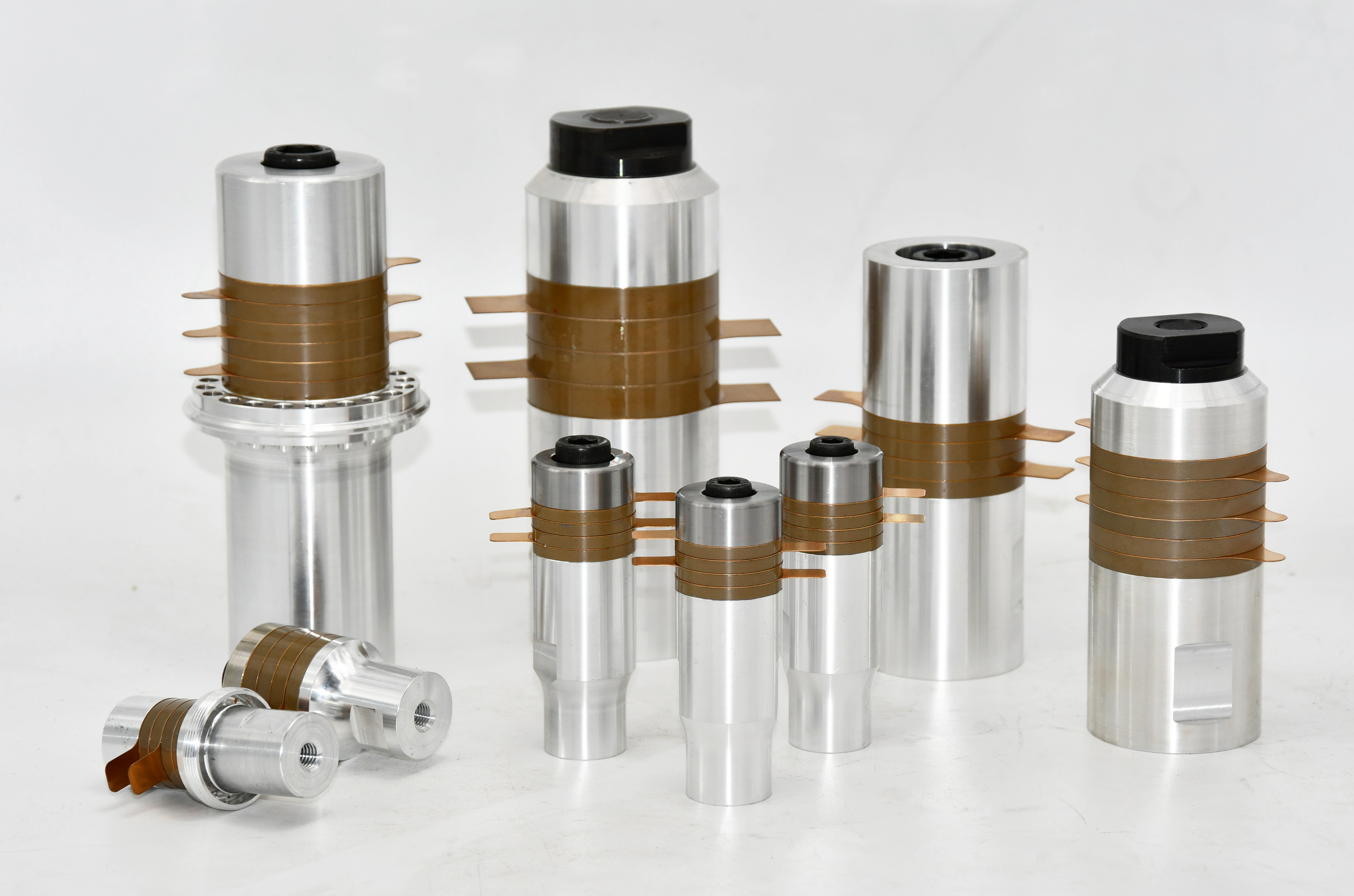
An ultrasonic cutting system consists of an ultrasonic generator, transducer, booster, and cutting blade.

The generator converts electrical energy into high-frequency vibration energy. The transducer transforms this energy into mechanical vibration, which is amplified through the booster and transferred to the cutting blade.

The vibrating blade creates rapid micro-movements that reduce friction between the blade and material, enabling efficient cutting with lower cutting force.

Why Choose Ultrasonic Cutting Technology?

Traditional Cutting Ultrasonic Cutting
Requires higher cutting force Lower cutting resistance
More material deformation Cleaner cutting edges
Blade wear faster Reduced tool wear
Heat generation possible Minimal heat impact
Limited thin material processing Suitable for delicate materials

Key Features

Clean cutting with minimal deformation and no material damage

High-frequency ultrasonic vibration reduces cutting resistance

Suitable for precision cutting of complex shapes and thin materials

Reduced blade wear compared with conventional cutting methods

Low heat generation prevents melting and edge deformation

Flexible integration with automated production lines

Adjustable ultrasonic power for different materials

Technical Parameters

Cutting ModeContinuous / Intermittent
IntegrationManual or robotic automation
Power Range200W - 1000W
Frequency20 / 30 / 35 / 40 kHz customized
Blade MaterialTitanium alloy / Hardened steel

Applications

  • Automotive interior material cutting
  • Plastic component trimming
  • Textile and nonwoven material cutting
  • Rubber and silicone cutting
  • Composite material processing
  • Carbon fiber cutting
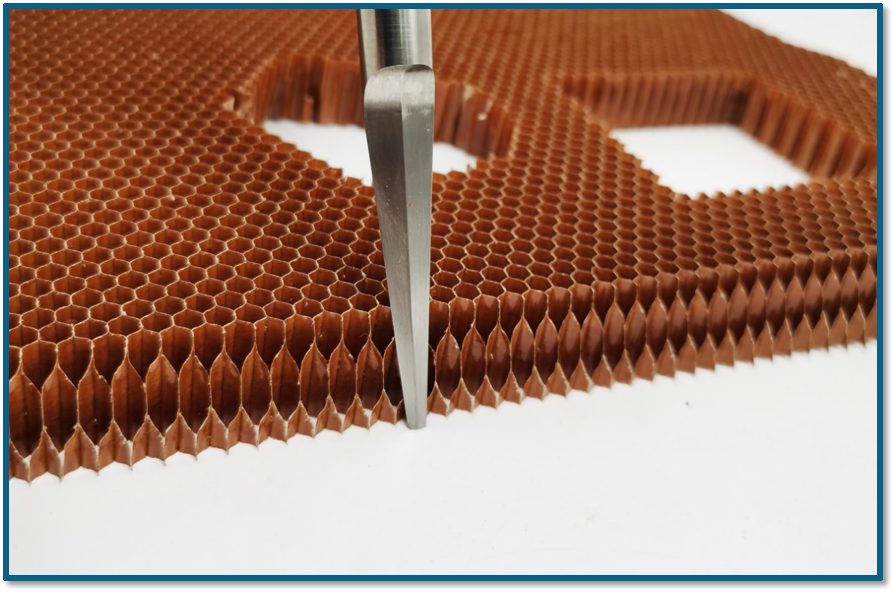
  • Honeycomb material cutting
  • Medical material cutting
  • Packaging material processing
  • Food cutting applications

FAQ

What ultrasonic frequency is used for cutting applications?

Common frequencies include 20kHz, 30kHz, and 40kHz depending on material properties, cutting speed requirements, and application conditions.

Can ultrasonic cutting machines be integrated into automation systems?

Yes. Ultrasonic cutting systems can be integrated with robotic arms, CNC systems, and automated production lines for continuous industrial processing.

What is the advantage of ultrasonic cutting compared with traditional cutting?

Ultrasonic cutting reduces cutting resistance through high-frequency vibration, providing cleaner edges, less deformation, and improved processing consistency.

What materials can an ultrasonic cutting machine cut?

Ultrasonic cutting machines can process various materials including plastics, rubber, textiles, nonwoven fabrics, composites, carbon fiber, honeycomb structures, and other industrial materials.

Request a cutting trial

Send your material, thickness, edge quality target, and throughput requirement.

Contact Us